
Your nose does more than help you breathe. This vital organ traps airborne debris, controls humidity, and preserves olfactory sharpness. Dividing the left and right nostrils is the nasal septum, an internal structure composed of cartilage and bone. When the septum is straight, airflow is balanced. When this wall drifts off-center, resulting in a deviated septum, it can produce marked nasal congestion and secondary health problems.
Exploring the Pathology of a Deviated Septum
This anatomical defect manifests when the internal septum leans toward one side, creating unilateral nasal narrowing. Some patients have congenital midline deviations, but many acquire the pathology following direct impact or nasal trauma. In mild anatomical presentations, the misalignment remains subtle and entirely asymptomatic. Should the deviation be substantial, it directly restricts airflow and hinders mucus clearance, creating lasting symptoms.
Primary factors that cause a deviated septum include:
- Birth defects
- Acute nasal injuries resulting from athletic impacts or collisions
- Secondary changes following past rhinologic surgical interventions
If ignored, this anatomical defect can foster persistent rhinosinusitis, recurrent sinus infections, and severe sleep disruption.
Primary Indicators of a Deviated Nasal Septum
Not all patients with septal asymmetry encounter clinical symptoms. Nevertheless, when active clinical symptoms manifest, they frequently include:
- Ongoing Nasal Obstruction: If unilateral congestion persists constantly, worsening in the supine position or during seasonal allergies, an anatomical deviated septum may be responsible.
- Chronic Epistaxis: Unequal airflow velocity dries the fragile nasal mucosa, significantly elevating the incidence of nosebleeds.
- Recurring Sinus Infections: Impaired sinus drainage can trap mucus and bacteria, leading to infections that return regularly.
- Aching Headaches and Midface Pressure: Disrupted nasal aeration increases sinus pressure, causing persistent headaches and discomfort surrounding the cheeks and eyes.
- Postnasal Drip: Mucus that can’t drain properly may drip down the back of your throat, causing frequent throat clearing or coughing.
- Heavy Snoring and Sleep Apnea: Constricted nasal passages promote upper airway resistance, fueling disruptive snoring and obstructive sleep apnea.
- Audible Airway Whistling or Labored Inhalation: These mechanical sounds typically become pronounced during cardiovascular exertion or rest.
- Attenuated Olfactory Function: Disrupted airflow paths and inflammatory swelling impair your normal sense of smell.
Diagnosing a deviated septum
If you’re experiencing any of the above symptoms consistently, it’s time to consult an ear, nose, and throat (ENT) specialist. Your ENT clinician starts with an extensive consultation concerning your symptoms, past nasal surgeries, and previous injuries.
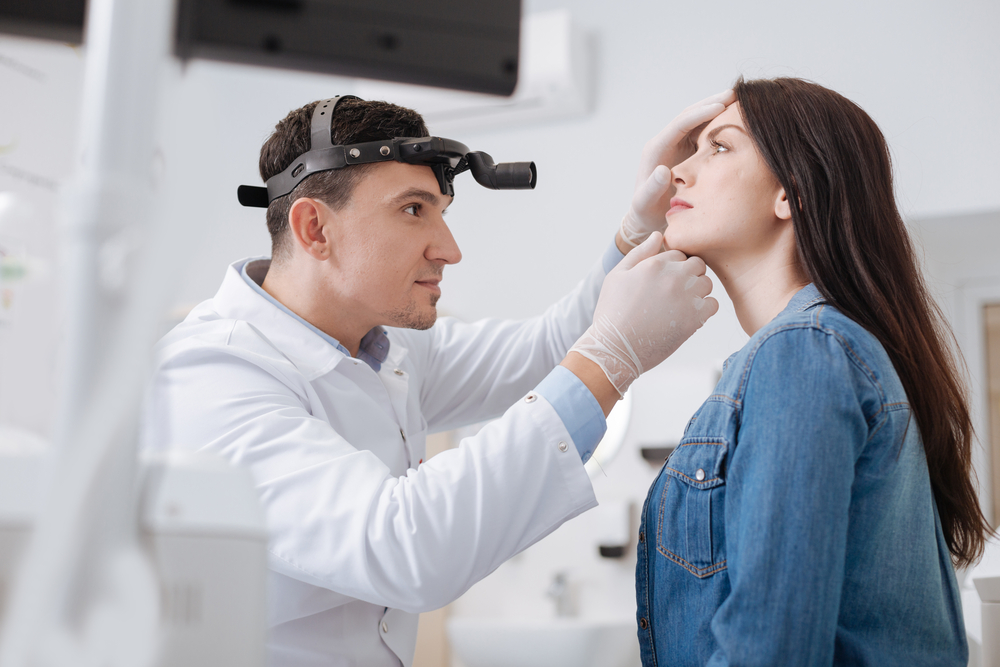
A physical examination is usually the first step. With specialized lighting and a nasal speculum, the examiner visualizes internal passages to verify septal deviations.
For definitive structural assessment and differential diagnosis, your ENT might recommend:
- Diagnostic Nasal Endoscopy: A slender, lighted fiber-optic scope captures high-definition views of the deep nasal cavity and posterior septum.
- High-Resolution CT Scans: Specialized imaging provides accurate structural maps of deviated bone, cartilage, and sinus blockages.
- Immunological Allergy Testing: Identifying underlying allergic triggers helps differentiate mucosal edema from purely structural airway obstruction.
Treatment Options for Correcting a Deviated Septum
Fortunately, several clinical interventions can treat or surgically repair a deviated septum depending on anatomical severity.
Non-surgical treatments
- Fluticasone Sprays or Short-Term Decongestants: These pharmacological sprays relieve soft-tissue inflammation to facilitate breathing, but cannot resolve mechanical deviation.
- Adhesive Nasal Strips: Commonly utilized during sleep to gently flare the nostrils and provide temporary airway relief.
- Environmental Allergy Control: Managing allergic reactions helps soothe inflamed nasal tissues, easing persistent breathing difficulty.
Surgical Options for Deviated Septum
- Functional Septoplasty: A definitive outpatient surgical procedure that straightens and repositions deviated cartilage and bone to restore airflow.
- Functional Rhinoplasty (if indicated): Frequently combined with septoplasty (septorhinoplasty) to repair external nasal framework defects or cosmetic asymmetries.
- Inferior Turbinate Reduction: Hypertrophic turbinates (vascular filtering structures within the nasal cavity) are surgically reduced to maximize airway volume.
When You Should Visit an ENT Specialist
A deviated nasal septum is never just a simple inconvenience, as it poses substantial challenges to your daily health and comfort. If you’re dealing with persistent nasal issues, don’t wait for them to worsen.