
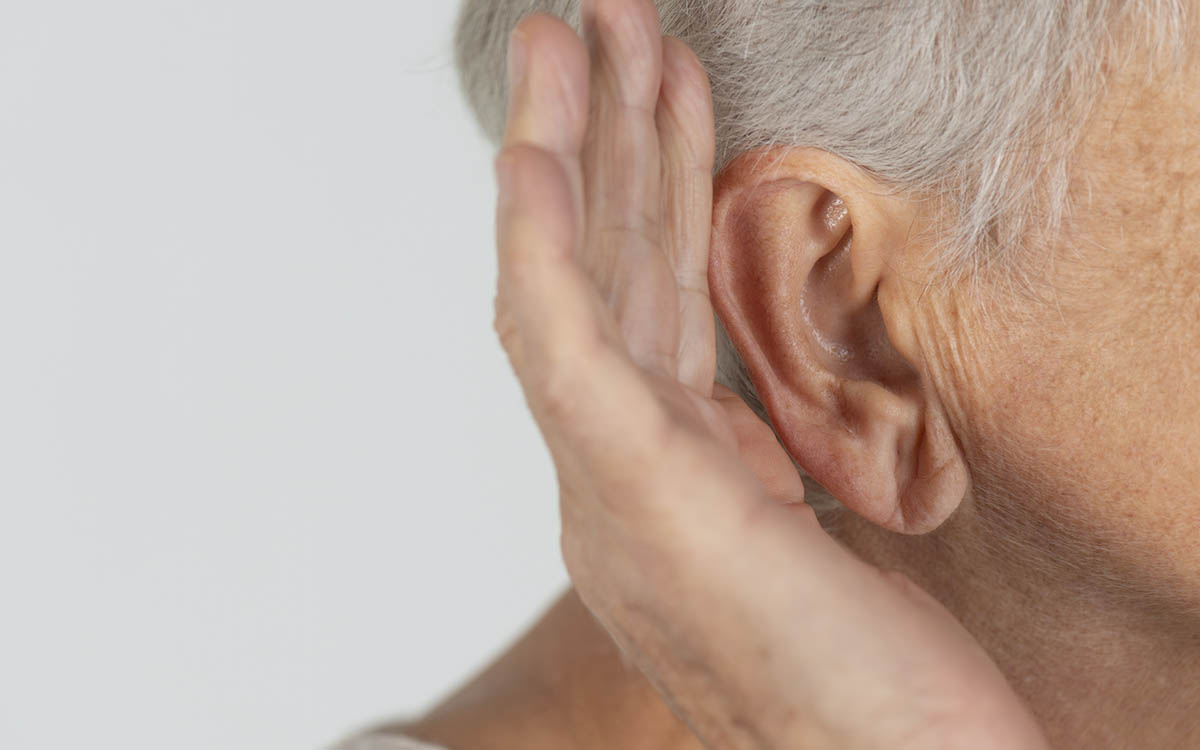
While many individuals correlate hearing loss to the aging process, but for millions of Americans, ear injury manifests significantly sooner. Among the most frequent and preventable categories of auditory damage, noise-induced hearing loss frequently develops incrementally, escaping notice until it becomes a permanent condition.
Grasping the longitudinal impact of sound exposure on the auditory system can help you protect yourself before significant hearing loss occurs.
Establishing the Clinical Indicators of Acoustic Injury
Noise-induced hearing loss is characterized by the degradation of intricate inner ear components. As reported by the CDC, sounds above 85 decibels (roughly the volume of heavy traffic) can begin to cause hearing damage with repeated or prolonged exposure. More intense acoustic stimuli, such as power equipment or firearms, are capable of inducing auditory trauma in a matter of minutes.
Inside the inner ear are tiny sensory cells called hair cells. These receptors facilitate the conversion of acoustic vibrations into electrical signals decoded by the brain. Following injury, these hair cells lack the biological capacity to regenerate, which renders noise-related hearing loss an irreversible condition.
The Cumulative Development of Acoustic Injury
One of the most concerning aspects of noise-induced hearing loss is that it often develops slowly. Initial signs of auditory overexposure may present as:
- Occasional instances of Tinnitus, characterized by ringing or buzzing sounds
- Sensations of dampened or muffled auditory perception following noise exposure
- Impaired speech discrimination in the presence of background noise
Initial symptoms may subside, frequently resulting in the incorrect assumption that hearing function has returned to baseline. In fact, chronic noise exposure causes ongoing trauma to inner-ear anatomy, steadily eroding hearing precision.
According to the hearing loss Association of America, nearly 48 million citizens live with hearing loss, often without realizing the cause.
Hazardous Environmental Sources of Auditory Trauma
Modern society is characterized by high ambient noise, which frequently leads to a lack of awareness regarding sound intensity. Due to this, the commonality of injurious sound exposure often goes unrecognized.
Identified hazardous sources may include:
- Venues featuring high-decibel live music
- The use of headphones at unsafe volume settings
- Motorized landscaping equipment, power machinery, and vehicles
- Occupational noise exposure within the construction or manufacturing sectors
The everyday occurrence of these sounds allows for progressive damage to develop without obvious warning.
The Reason Preventive Efforts Remain a Critical Priority
Noise-induced hearing loss is physiologically irreversible, unlike many other health impairments. The condition is, however, susceptible to effective preventative strategies. Simple protective habits can significantly reduce risk, including:
- Using earplugs or noise-reducing earmuffs in loud environments
- Reducing personal audio volume and adhering to the 60/60 safety guideline
- Incorporating auditory rest periods to allow for physiological recovery
- Maintaining regular clinical screenings and Audiology visits
Guidelines for Seeking Hearing Screenings
Patients observing ongoing Tinnitus, challenges in conversation, or shifts in auditory acuity should contact an Audiologist. Timely professional assessment facilitates the creation of a management plan to maintain long-term auditory health.
Proactive ear protection in the present is essential for maintaining future auditory function. While environmental noise is often inevitable, hearing loss is a preventable outcome. Please contact our clinic to arrange a professional consultation regarding your auditory health.