July 3, 2019

Understanding Medicare Coverage for Hearing Aids: The Reality

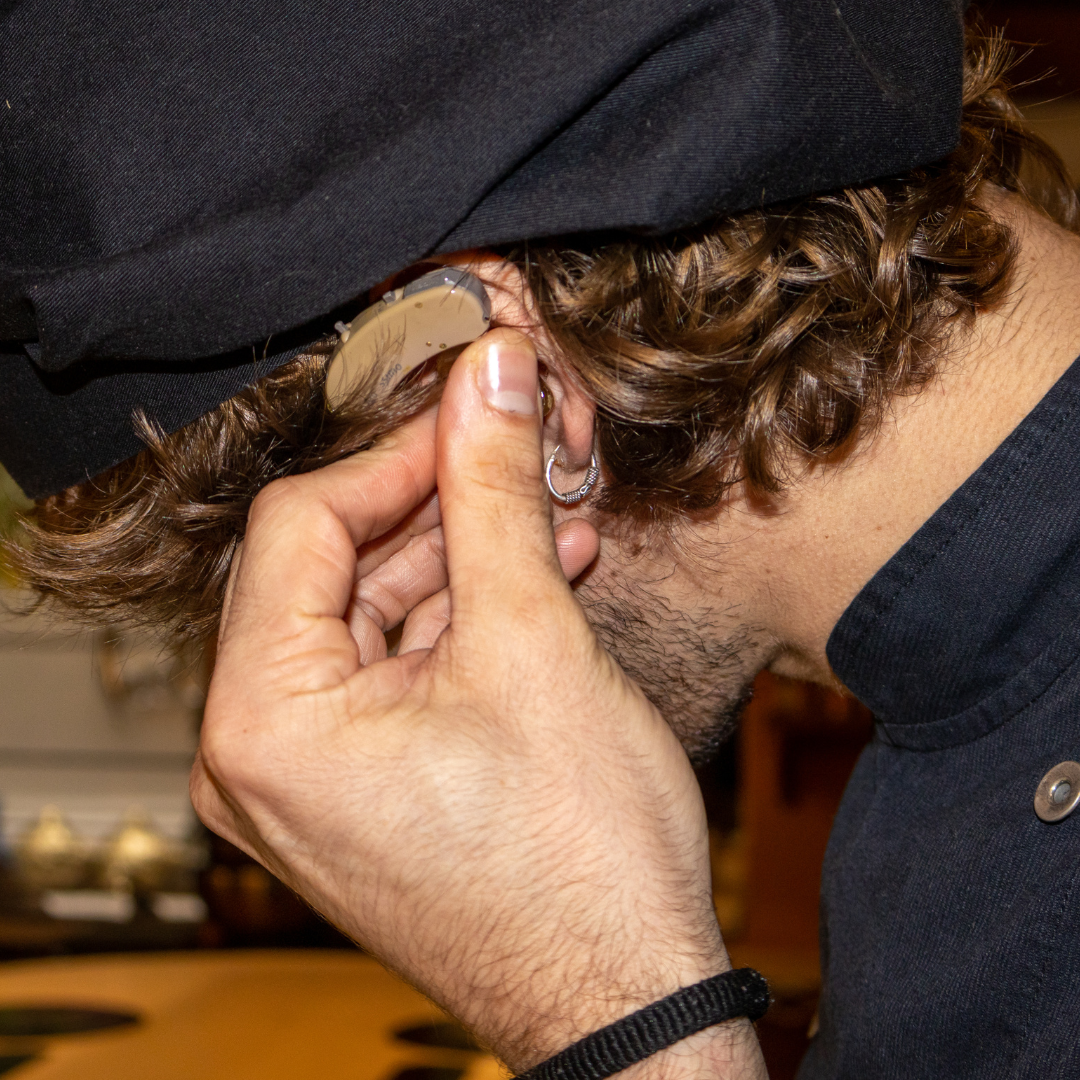
Does your Medicare plan pay for hearing aids? The straightforward response is no. Hearing aids are not covered under Original Medicare. We realize this is disappointing news, and it often comes as a surprise to many of our patients. Fortunately, there’s more to the story. There are other paths (like Medicare Advantage plans, financing options,

Can Headphones and Earbuds Cause Hearing Loss?

In modern public spaces, the sight of a young person without some form of in-ear audio is rare. While traditional headphones are more substantial in size, adolescents frequently utilize them to create a private acoustic environment. The appreciation for music is a cross-generational trait, yet younger individuals often depend on it for constant background stimulation.

The Neurobiology of Hearing: When the Brain Fails to Process Sound

While common perception dictates that hearing is strictly an otological process, this represents only a fraction of the truth. However, the ability to perceive sound is equally dependent on the auditory cortex as it is on the physical ear. Cognitive hearing represents the neurological bridge between detecting a frequency and understanding a message. As an

How Hearing Aids Stimulate the Brain and Support Cognition

Though we identify the ears as the source of hearing, the brain’s role in processing sound is actually the most critical component. Physical sound collection happens at the ear, but cognitive interpretation is what creates speech and memory. With the progression of hearing loss, the auditory cortex is deprived of essential frequency information. Over time,

Decoding Auditory Fatigue and Listening Effort

Do you often experience profound mental depletion following extended dialogue or crowded social events? It is easy to misattribute this fatigue to general stress, lack of sleep, or sensory overload. And it’s true that for introverts or people with sensory issues, social situations can be exhausting. But in some cases, the cause is a lesser-known

Deconstructing 7 Common Hearing Loss Myths with Clinical Fact

Hearing loss is more common than most of us might realize, but misinformation continues to prevent many people from seeking proper care. When managing hearing loss, timely intervention is a fundamental requirement for long-term health. Adhering to standard hearing myths often leads to diagnostic delays and a measurable decline in life quality. If you have

Seasonal Hearing Loss Symptoms: Winter vs. Summer Changes

We usually associate hearing changes with aging or noise exposure, but the time of year can also affect how well we hear. If you perceive winter ear-blocking or heightened summer sensitivity, these are recognized clinical patterns. Occurrences of seasonal hearing loss symptoms are frequently tied to the atmospheric and biological changes of the rotating year.

Drugs Linked to Hearing Loss: Exploring Ototoxicity

Though high-volume environments are known to harm ears, pharmacological agents are a significant but under-discussed cause. Medications that can impact hearing are known as ototoxic medications, meaning they have the potential to harm the inner ear. Although several ototoxic treatments are vital and successful for managing grave illnesses, understanding the dangers allows for early symptom

Reasons to Never Overlook Brief Auditory Changes

Brief periods of muffled hearing are often far too easy to disregard. You may notice a stuffed-feeling in your ears after flying. You might find that everything sounds fuzzy after exposure to concert-level decibels. Maybe a morning arrives where environmental sounds feel detached and lacking in clarity. As these symptoms usually fade independently, many individuals

How Hearing Loss Affects Job Performance and How to Improve It

The impact of hearing loss continues well past the physical office threshold. This condition frequently interferes with teamwork, virtual calls, and professional poise long before a diagnosis is ever suspected. If hearing limitations are affecting you or your staff, recognizing the connection between auditory health and career performance can drastically improve operational efficiency. Analyzing the

Identifying Primary Causes of Sudden Hearing Loss

Realizing your auditory clarity has disappeared overnight is a distressing and confusing event. This specific hearing impairment is strikingly sudden, often manifesting without prior warning signs or preliminary symptoms. Though certain triggers are transient and easy to resolve, others necessitate rapid clinical intervention. Gaining insight into why hearing drops suddenly and seeking urgent help is